
Create a Wallet
Understand creation and import before you begin.
Read guide →imtoken · Multi-chain wallet & Web3 knowledge
A multi-chain wallet, blockchain network and Web3 knowledge hub from imtoken
Manage multi-chain assets, choose networks carefully, send and receive with clear checks, understand DApp connections and token approvals, and build stronger wallet safety habits through practical network knowledge.
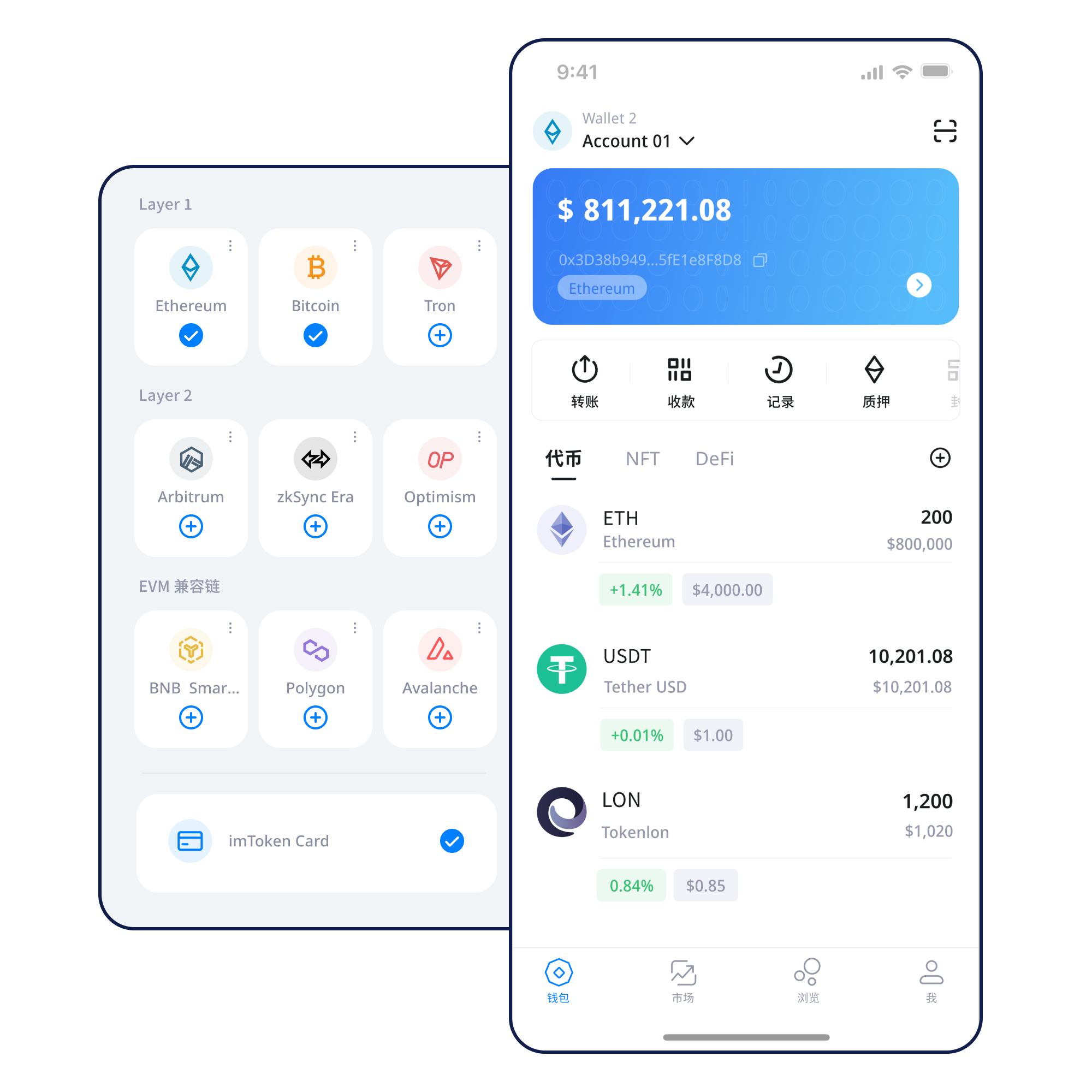
Start by task
Move from setup to Web3 interactions without skipping essential checks.
Understand creation and import before you begin.
Read guide →Keep seed phrases offline and never share private keys.
Read guide →Confirm the address and network together.
Read guide →Review destination, network, amount and gas.
Read guide →Verify the domain and each request.
Read guide →Wallet capabilities
Different networks can use similar address formats while following different fee and confirmation rules. Verify the network before every transfer.
View assets, manage networks and review transaction history from the mobile wallet.
Check address, network, amount, gas and transaction hash as one workflow.
Review browser connections, approvals and disconnect unused DApps.
Keep seed phrases and private keys offline where possible and never send them to anyone.
Networks
Each network has its own fees, state and confirmations.
Blocks, nodes and confirmations explain transaction status.
Compatible execution does not mean identical fees, chain IDs or risks.
Bridging and settlement paths require separate checks.
Gas changes with network conditions; confirmations show how deeply a transaction is included.
Usage path
Use the official entry and download page.
Choose the appropriate setup path.
Keep seed phrases offline.
Match asset, destination and network.
Review address, amount and gas.
Use transaction hashes and revoke unused approvals.
Web3 & DApp
Connecting a wallet does not make every later request safe. Treat each signature, transaction and approval as a separate decision.
Security
Seed phrases and private keys remain under the user’s control. Official representatives should not ask for them. Check destination, network, amount and permission scope before transferring, signing or approving. On-chain transactions are usually not reversible by a wallet after confirmation, and third-party DApps or smart contracts can add risk.
Open Security Center →Academy
Understand addresses, seed phrases, private keys, networks, gas, transaction hashes, DApps and approvals as one connected workflow.
Read the beginner guide →Blocks and confirmations affect transaction status.
Connect gas, contracts and token approvals.
Review bridging and network selection.
Check approval targets and scope.
Validator rewards come from protocol mechanisms and can change. Exit and withdrawal can involve waiting periods.
Learn more →Network penalties, smart-contract risk, third-party risk, waiting periods and asset-price volatility all matter. Staking does not guarantee returns.
PoS & Validators →Updates
Expanded network selection and transaction checks.
Do not assume every request is safe because the interface looks familiar.
FAQ
A digital wallet helps users manage keys, addresses, network selection and signatures. Assets are recorded on their blockchains; the wallet is an interface for viewing and initiating actions.
A seed phrase can restore wallet keys, while a private key controls signing for a specific account. Both are highly sensitive and should remain under the user’s control.
Similar address formats can appear on different networks. Before sending, receiving or using a DApp, confirm that the asset and destination belong to the intended network.
Gas is the network-fee mechanism used to execute transactions and smart-contract operations. Cost can change with network conditions and complexity.
A transaction hash is an important identifier for checking on-chain status in a block explorer, including sender, recipient, fee and confirmations.
Once confirmed, a blockchain transaction usually cannot be reversed by the wallet alone. Check the address, network and amount before sending.
A connection alone usually does not equal a transfer, but later signatures, transactions or approvals can change permissions or assets and should be reviewed separately.
Go to the download page or review Security and Academy first.